
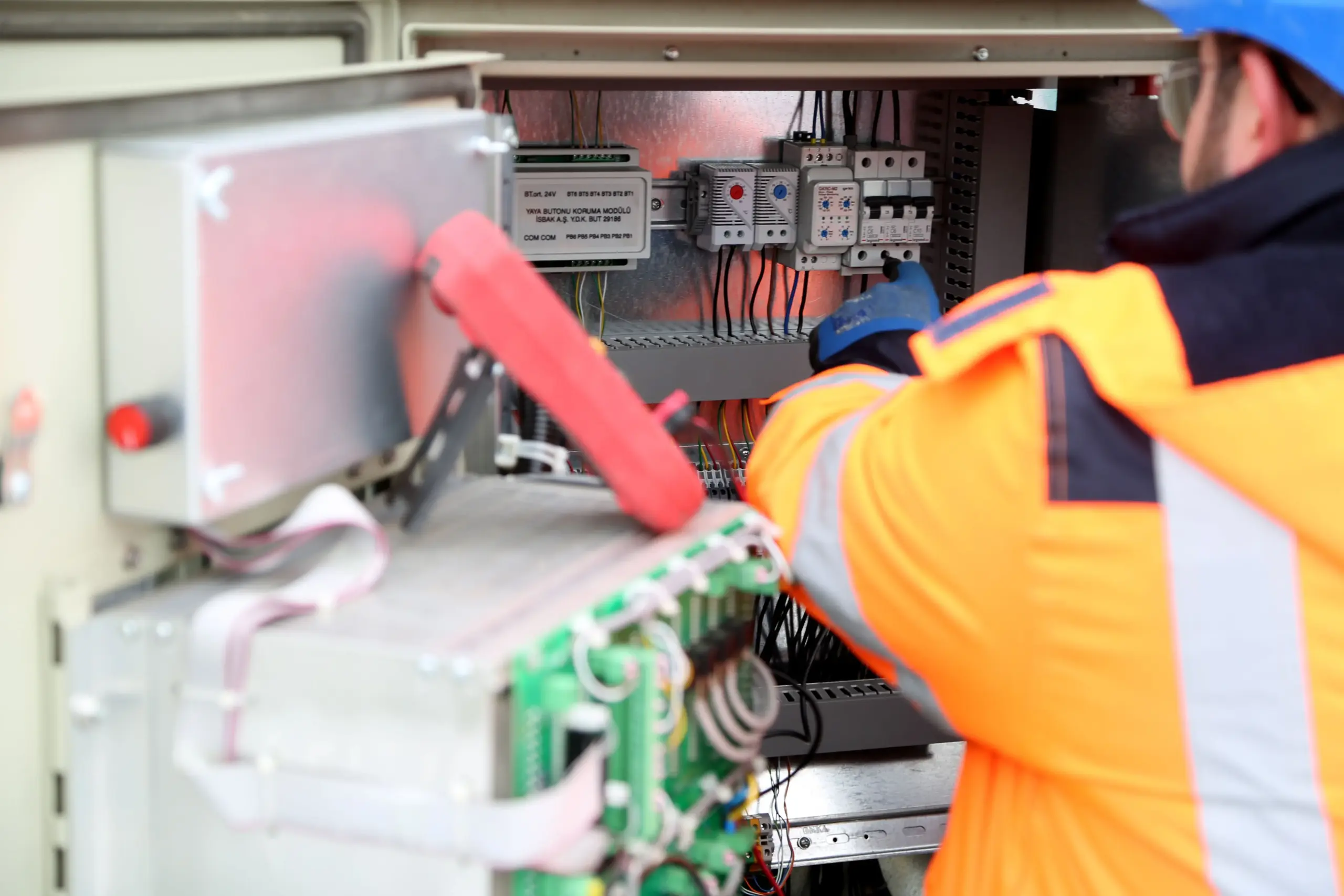
Written by JP ELECTRIC | Published on June 2025
To prepare for an electrical emergency at home, every household needs three things in place right now: a labeled electrical panel, working AFCI and GFCI breakers, and a clear plan for when something goes wrong. Electrical emergencies can escalate from a tripped breaker to a house fire in minutes, especially in older homes across Mesa, Gilbert, Chandler, Scottsdale, and the greater Phoenix area.
This guide walks you through every step of how to prepare for an electrical emergency at home, from building a safety kit to knowing when to call a experienced electrician. Whether you live in a newer build in Queen Creek or a mid-century home in Tempe, the principles are the same.
Understand What Counts as an Electrical Emergency
Not every flickering light is an emergency, but some situations demand immediate action. Knowing the difference protects your family and your home.
These situations require you to leave the home and call 911 or a experienced electrician immediately:
- Burning smell or smoke coming from an outlet, switch, or panel
- Sparks or arcing from any electrical component
- Buzzing or crackling sounds behind walls or near the panel
- Electrical shock from an outlet, appliance, or switch
- Outlets or switches that are hot or discolored
- Flooding or water contact with any electrical system
- Complete power loss during a storm combined with a burning odor
These situations are urgent but not immediate emergencies:
- Repeatedly tripping breakers on the same circuit
- Lights dimming when appliances turn on
- Dead outlets in one area of the home
- Frequently blown fuses
In Arizona’s extreme heat, air conditioning systems run hard from May through September. That extra electrical load in places like Ahwatukee Foothills, Sun Lakes, and Gold Canyon increases the risk of overloaded circuits. Know your warning signs before monsoon season arrives.
Build a Home Electrical Emergency Kit
A well-stocked kit means you can respond safely without fumbling in the dark. Keep this kit in an accessible location that every adult in your household knows about.
| Item | Purpose | Notes |
|---|---|---|
| Flashlights (2+) | Visibility during power outages | LED, battery-powered, check batteries every 6 months |
| Battery backup power bank | Keep phones charged for emergency calls | 10,000 mAh or larger recommended |
| Non-contact voltage tester | Detect live current before touching wires | Available at hardware stores for $20 to $40 |
| Rubber-insulated gloves | Protection if you must touch electrical components | Class 00 rated gloves minimum |
| ABC fire extinguisher | Combat electrical fires | Never use water on electrical fires |
| Electrical panel map | Identify and shut off specific circuits fast | Laminated copy inside panel door |
| Emergency contact list | Quick access to electrician, utility, 911 | Include JP ELECTRIC at 16028048806 |
Store the kit in a cabinet away from your electrical panel, not right next to it. In the event of smoke or heat near the panel, you need to access your kit from a safe distance.
Label and Inspect Your Electrical Panel
Your electrical panel is the command center of your home’s electrical system. If it is unlabeled, disorganized, or outdated, you are not prepared for an emergency.
Start by testing every breaker and labeling each one clearly. Write down which breaker controls which room or appliance. A laminated legend inside the panel door saves critical time when you need to cut power fast.
Check your panel for these red flags:
- Breakers that feel warm to the touch
- Rust, corrosion, or moisture inside the panel
- Double-tapped breakers (two wires connected to one breaker)
- Panels made by Federal Pacific Electric (Stab-Lok) or Zinsco, which have known failure histories
- Fuse boxes in older homes that have not been upgraded
Many homes in older neighborhoods across Apache Junction, Guadalupe, and parts of Tempe still have panels that are 30 to 40 years old. Arizona’s heat accelerates wear on electrical components. A panel inspection by a experienced electrician costs $75 to $150 and can identify hazards before they become emergencies.
JP ELECTRIC performs panel inspections throughout the East Valley and Greater Phoenix area. If your panel has not been looked at in over five years, schedule one now.
Install and Test Safety Devices Throughout Your Home
Modern electrical safety devices are your first line of defense. Many electrical emergencies are preventable with the right equipment installed correctly.
| Device | Where Required | What It Does | Cost to Install |
|---|---|---|---|
| GFCI Outlet | Bathrooms, kitchens, garages, outdoors, near water | Cuts power when it detects ground fault (shock risk) | $100 to $200 per outlet |
| AFCI Breaker | Bedrooms, living areas (per Arizona building code) | Detects dangerous arcing that causes fires | $50 to $100 per breaker |
| Whole-home surge protector | Main panel | Protects all devices from voltage spikes | $250 to $500 installed |
| Smoke detectors | Every bedroom, hallway, each floor | Early warning for electrical fires | $20 to $80 per unit |
| Carbon monoxide detector | Near sleeping areas and generator hookups | Detects CO from backup generator use | $25 to $60 per unit |
Arizona sees intense summer storms and lightning strikes. Whole-home surge protection is especially valuable in Fountain Hills, Paradise Valley, and Scottsdale where monsoon storms roll in fast and hard. A single surge can destroy thousands of dollars in electronics and appliances.
Test your GFCI outlets monthly by pressing the test and reset buttons. Replace any smoke detector that is older than 10 years, and replace batteries every six months minimum.
Create and Practice a Home Electrical Emergency Plan
Preparation means nothing if your household does not know what to do when something goes wrong. A written plan reviewed with every family member is a non-negotiable step.
Your electrical emergency plan should cover these five steps:
- Shut off power at the panel. Everyone in the home should know where the main breaker is and how to flip it. Practice this once so it is not the first time in an emergency.
- Never use water on electrical fires. Use your ABC fire extinguisher or leave immediately and call 911. Do not re-enter the home.
- Do not touch anyone who is being shocked. Cut power first, then call 911. Touching a person in contact with live current can shock you too.
- Establish a meeting point outside. Especially important if the power goes out at night or if there is smoke in the home.
- Keep your emergency contact list current. Include SRP or APS (depending on your area) and JP ELECTRIC at 16028048806 for after-hours electrical emergencies.
If you live in San Tan Valley, Higley, or Queen Creek, be aware that some neighborhoods are still growing and electrical infrastructure can be stressed during peak summer months. Know your utility provider’s outage line before an emergency happens, not during one.
Reduce Electrical Emergency Risks Through Regular Maintenance
Most electrical emergencies do not happen without warning. They build over time through neglected wiring, overloaded circuits, and ignored symptoms. Regular maintenance is how you stay ahead of them.
Here are the maintenance tasks that matter most:
- Have a experienced electrician inspect your wiring every 5 to 10 years, or immediately if you move into a home built before 1985
- Avoid using extension cords as permanent wiring solutions
- Do not overload power strips, especially with high-draw appliances like space heaters
- Replace cracked or discolored outlet covers immediately
- Keep your electrical panel area clear of storage, boxes, and flammable materials
- Have outdoor outlets and wiring inspected annually, especially in areas with extreme heat like Phoenix and Chandler
Arizona’s climate puts unique stress on electrical systems. UV exposure degrades outdoor wiring insulation faster than in cooler states. In areas like Gold Canyon and Apache Junction where homes may have outdoor living areas and pools, outdoor electrical maintenance is critical every spring before the heat season begins.
JP ELECTRIC offers routine electrical inspections and maintenance across the entire East Valley and Greater Phoenix region. A small annual investment prevents large emergency repair bills.
FAQs on How to Prepare for an Electrical Emergency at Home
What should I do first during an electrical emergency at home?
Your first action should be to cut power to the affected area at your electrical panel if it is safe to reach it. If there is fire, smoke, or any risk to your safety, leave the home immediately and call 911. Never re-enter until fire or electrical professionals clear the building.
How do I know if my electrical panel is safe?
A safe panel has clearly labeled breakers, no signs of rust or heat damage, and no double-tapped circuits. Panels older than 25 to 30 years, especially Stab-Lok or Zinsco brands, should be evaluated by a experienced electrician. JP ELECTRIC can inspect your panel and recommend upgrades if needed.
Can I use a regular fire extinguisher on an electrical fire?
You need a Class C or ABC rated fire extinguisher for electrical fires. Never use water or Class A extinguishers, as they conduct electricity and can cause electrocution. If the fire is growing quickly, leave the home and call 911 rather than trying to fight it yourself.
How often should I test my GFCI outlets and smoke detectors?
Test GFCI outlets monthly by pressing the test and reset buttons on the outlet itself. Test smoke detectors monthly using the test button and replace batteries every six months. Replace the entire smoke detector unit every 10 years regardless of whether it seems to work.
Do Arizona homes need surge protection?
Yes, Arizona’s monsoon season brings frequent lightning and power fluctuations that can destroy electronics and damage wiring. Whole-home surge protection installed at the main panel is one of the most cost-effective upgrades you can make, typically running $250 to $500 installed by a experienced electrician.
How much does an emergency electrician cost in the Mesa and Phoenix area?
Emergency electrician rates in the Greater Phoenix area typically range from $150 to $300 for after-hours service calls, plus parts and labor. Rates vary by the time of day, day of the week, and complexity of the problem. Calling a trusted local company like JP ELECTRIC can help you understand pricing upfront before work begins.
Wrap Up and Next Steps
Knowing how to prepare for an electrical emergency at home comes down to four things: a labeled and inspected panel, the right safety devices installed and tested, a written plan your household has reviewed, and a trusted electrician’s number saved in your phone.
Do not wait for something to go wrong before taking these steps. Homes across Mesa, Gilbert, Chandler, Scottsdale, Queen Creek, and the entire Greater Phoenix area face real electrical risks every summer from heat, monsoons, and aging infrastructure.
Call JP ELECTRIC at 16028048806 to schedule a panel inspection, safety device installation, or emergency electrical service. Our team is ready to help you protect your home and your family.